analytics1_1
EUR/USD. Price Analysis. Forecast. Will the Euro Break to the Upside? Supporters of ECB's Tight Monetary Policy Strengthen the Euro
EUR/USD. Price Analysis. Forecast. Will the Euro Break to the Upside? Supporters of ECB's Tight Monetary Policy Strengthen the Euro
Fundamental analysis
2026-06-05 04:27:43
The euro shows a moderate 0.12% strengthening as market participants maintain positive expectations regarding the results of negotiations between the US and Iran, which have proceeded without interruption, according to Pakistan's foreign minister in a conversation with journalist Malik. The published macro data partially confirm the concept of the "exceptionality" of the US economy, which traditionally supports the dollar, but this time the pressure may have increased due to weaker-than-expected labor market data ahead of Friday's NFP report.
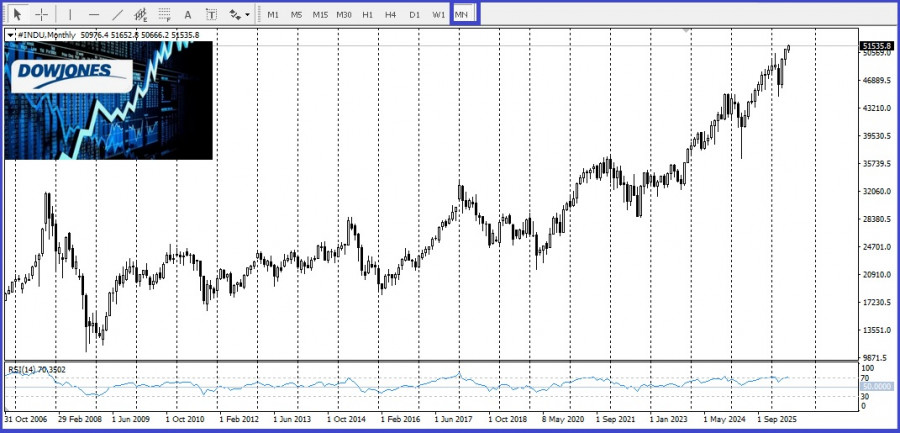
Geopolitical factors continue to dominate the macroeconomic agenda. Market sentiment remains mixed, though largely focused on the dynamics of the US stock market, where capital is being redistributed from the technology sector to other industries. The Dow Jones index approaches record highs.
At the same time, tensions in the Middle East remain: despite US President Donald Trump's mediation efforts to achieve a ceasefire agreement between Israel and Lebanon, the situation remains unstable, as evidenced by Israeli strikes in southern Lebanon. The initiative was rejected by the Iran-backed movement Hezbollah, while the Israeli side stated there were no intentions to withdraw troops.
Macroeconomic data from the US exert additional pressure on the dollar, despite the statements from Fed representative Schmidt. Recent employment data indicated a moderate cooling of the labor market: the number of initial jobless claims exceeded the forecast of 213,000, reaching 225,000 for the week ending May 30. Additionally, the number of announced job layoffs increased from 83,837 to 97,000 in May, which is 16% higher than the April level.
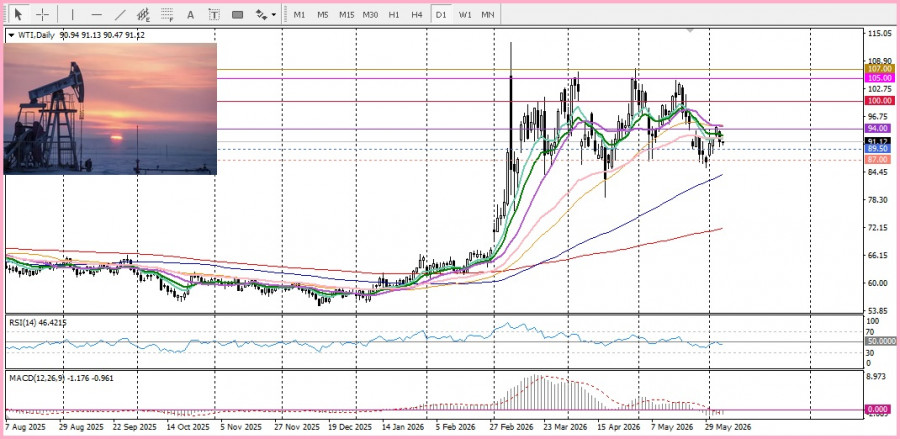
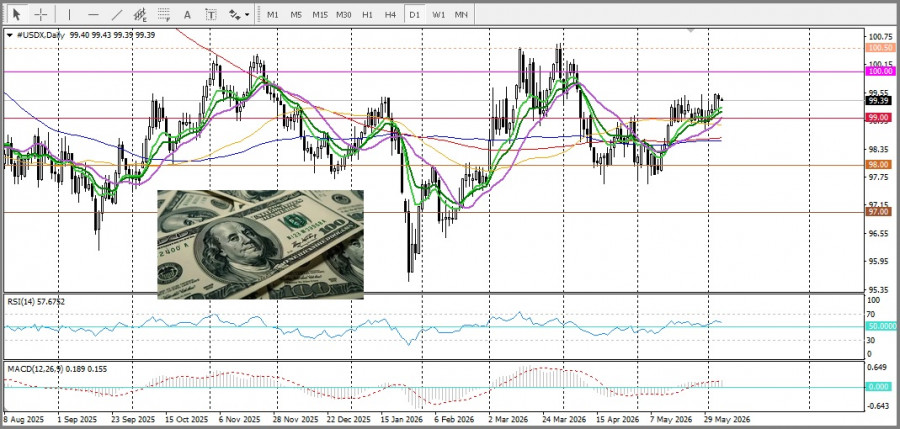
Ahead of the NFP publication and against the backdrop of declining oil prices, the dollar shows weakness: the Dollar Index (DXY), which tracks its performance against a basket of six currencies, fell 0.15% to 99.39.
The head of the Kansas City Fed, Jeffrey Schmidt, emphasized that inflation remains "excessively high" and poses a key risk to the US economy, raising the question of whether to maintain a wait-and-see stance on rates or shift to more decisive action.
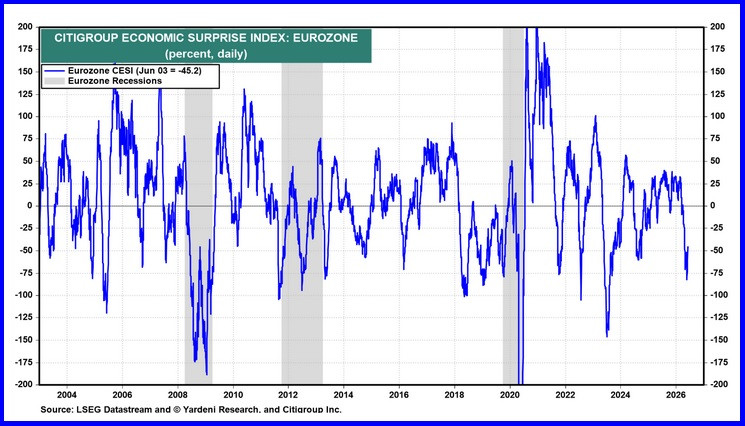
The European economy, in turn, faces signs of stagflation against the backdrop of the European Central Bank's tough rhetoric. Most macroeconomic indicators point to deterioration: as of June 3, the Citigroup Economic Surprise Index (CESI) for the Eurozone fell to -45.2, signaling that actual data systematically lag behind analysts' expectations and reflecting internal weakness in the EU economy. Eurozone GDP growth for the first quarter of 2026 was only 0.1%, slowing from 0.2% and 0.3% in the fourth and third quarters of 2025, respectively. This indicates a continuing slowdown amid rising inflation, which reached 3.2% year-on-year due to an energy shock linked to the conflict in Iran.
Nevertheless, representatives of the European Central Bank continue to maintain a tough stance, openly showing intentions to raise interest rates. Vujcic, Simkus (twice), Stournaras, Schnabel, Nagel, and several other ECB representatives indicate a likelihood of a rate hike at the upcoming monetary policy meeting.
Regarding the outlook, a slight slowdown in employment growth is expected in the US: according to the median forecast, the NFP figure for May is expected to decrease from 115,000 to 85,000, while the unemployment rate is likely to remain unchanged at 4.3%.
In the Eurozone, GDP figures for the first quarter of 2026 are expected to remain unchanged at 0.1% quarter-on-quarter and 0.8% year-on-year.
From a technical perspective, the EUR/USD pair continues to consolidate in a sideways range, constrained by the major moving averages.
The nearest resistance is the 20-day SMA at 1.1645, just above it is the 50-day SMA at 1.1670, and the 200-day SMA is near 1.1679. A breakout of these moving averages will open the way to the 100-day moving average at 1.1700, which the pair will likely test before attempting to break through.
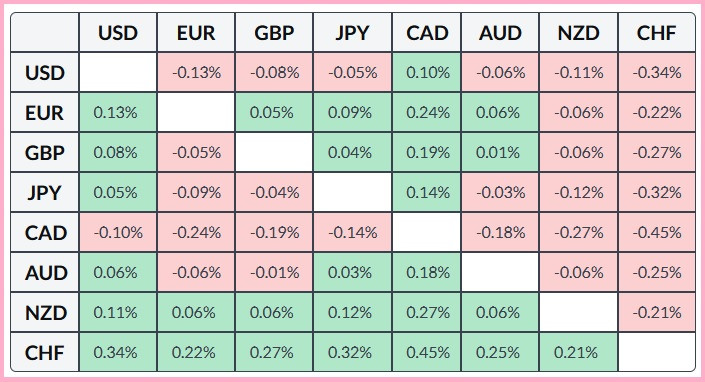
On the downside, the nearest support is located at the May 21 low of 1.1575. If it breaks, the next targets will be the April 6 low at 1.1504 and the March 30 low at 1.1443. According to recent data, the euro has strengthened the most against the Canadian dollar among major currencies.
Смотрите также